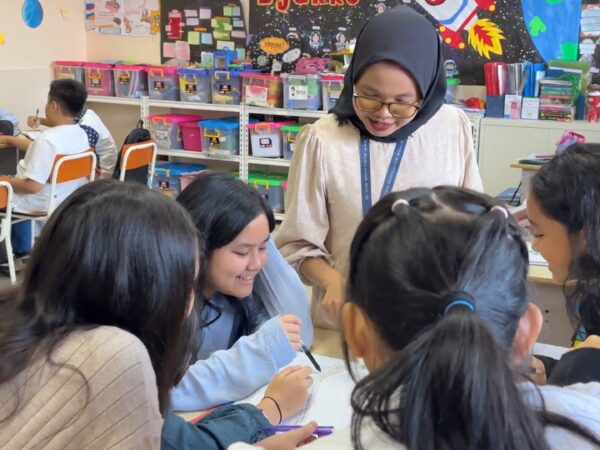
Joyful English for The Alpha Gen
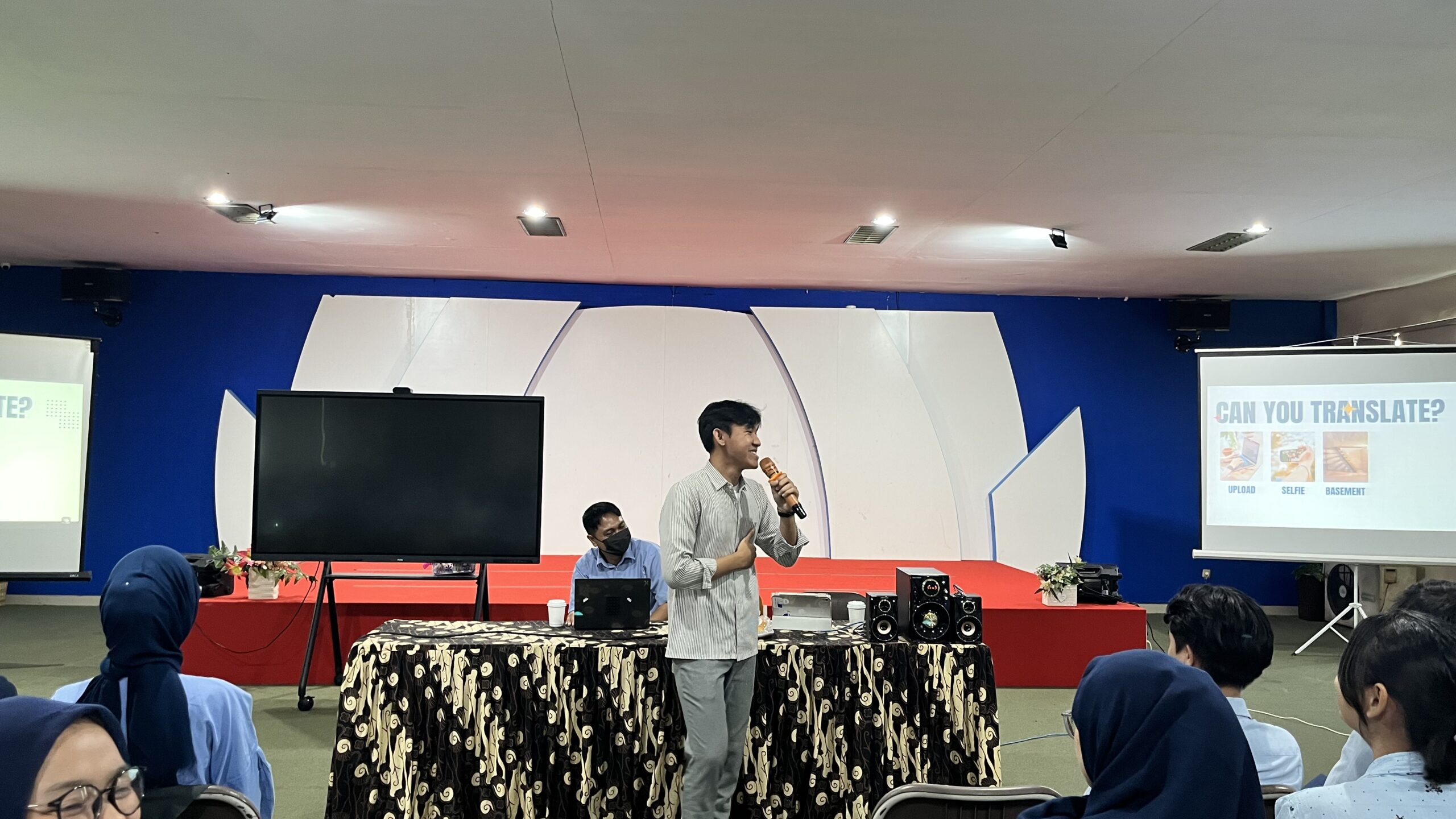
Joyful English for the Alpha Gen
Creating Meaningful English Learning Experiences for a New Generation
Editorial | By Ms. Enni, Head of SD Budi Luhur Pondok Aren
How do we teach English to a generation that learns differently?
Every generation brings a different way of seeing, experiencing, and learning about the world. For today’s learners, known as Generation Alpha, technology, visual experiences, and interactive environments are naturally woven into their everyday lives.
This reality invites educators to rethink the way we teach.
Teaching English to the Alpha Gen is no longer simply about delivering vocabulary, grammar, or language structures. It is about creating learning experiences that encourage students to communicate, explore, participate, and enjoy the process of learning.
This perspective became the focus of the “Joyful English for the Alpha Gen” Workshop, delivered by Mr. Abid and attended by the teachers of SD Budi Luhur Pondok Aren on 6 July 2026.
The workshop invited teachers to explore new approaches to teaching English that are more engaging, interactive, and relevant to the characteristics of today’s learners. Through this learning experience, teachers were encouraged to look beyond conventional teaching methods and consider how language learning can become more experiential and meaningful.
A joyful English classroom is not simply a classroom filled with games and activities. It is a space where students feel comfortable expressing themselves, are encouraged to make mistakes, and are given meaningful opportunities to use English in real and purposeful contexts.
For the Alpha Gen, learning becomes more powerful when they can experience, interact, create, and connect.
As educators, our role is therefore not only to teach a language, but also to create the conditions in which students want to use it. When learning feels relevant and meaningful, English becomes more than a subject—it becomes a tool for communication, creativity, confidence, and connection.
At Budi Luhur, continuous teacher development is an important part of our commitment to creating meaningful learning experiences for every student. As our learners continue to grow in a changing world, our classrooms must grow with them.
Because teaching is not about teaching the way we were taught.
It is about learning how to teach the generation in front of us.
Artikel Lainnya